
Reviewed · FOOD & DRINK
Historical 18th Century Estate Tour with Coconut Tasting
The most memorable part of this Morne Coubaril visit is not the grand house. It is the hands-on look at how everyday island crops became food, drink and trade goods. You may watch a coconut being opened with a sharp stake, see cocoa beans polished in the cocoa dance, and sip cane juice from a donkey-powered mill.
I like the way the tour links St Lucia’s past to real crops, rather than leaving you with only dates and plantation names. I also like the tastings: fresh coconut water, coconut jelly, raw cocoa bean and sugar cane juice give the visit a proper sense of place. The main caution is that the quality depends heavily on your guide. Some guides, including Natasha, Jonathan, Vinia and Sendyann, have made the visit lively and personal, while others have delivered it too quickly or by rote.
Key points to know before you go
- Coconut work is the star demonstration: Watch a skilled worker dehusk a coconut, open it, and explain how the meat becomes copra.
- You taste more than coconut: Samples can include coconut water, coconut jelly, cocoa bean, cocoa nibs, cane juice and local fruit.
- The estate is more than a house: The route includes replica stick huts, gardens, medicinal plants, a cocoa house and a sugar mill.
- Guides shape the experience: Natasha, Jonathan, Vinia and Sendyann have all been singled out for friendly, clear explanations.
- The price is modest: At $12 per person, the tour offers good value if you want a short cultural stop near Soufriere.
- Allow about an hour: The supplied timings vary between 30 minutes and 1 hour, so do not schedule a tight connection immediately afterward.
What you actually see at Morne Coubaril
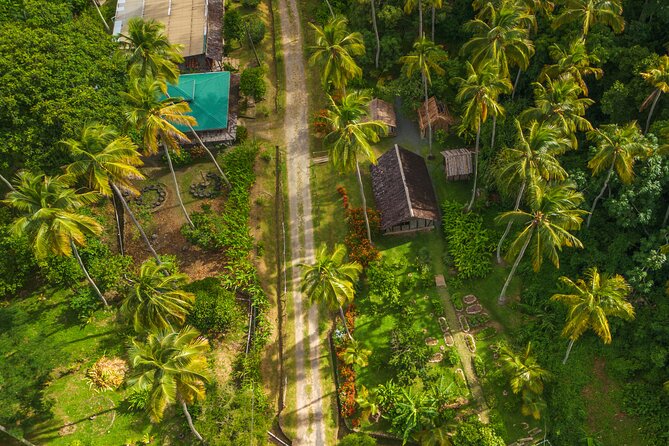
Morne Coubaril Estate sits near Soufriere, making it an easy addition to a day focused on the town and its famous volcanic surroundings. You meet at the Morne Coubaril Historical Adventure Park, then join a guide for a walk through the property.
The setting combines an old estate house, gardens, working demonstrations and reconstructed village buildings. It is not a preserved 18th-century community in the strict museum sense. The stick huts are replicas, and some of the displays are staged for explanation. That matters because you should approach the visit as an open-air historical presentation, not as an untouched plantation frozen in time.
I still find the format useful. You move from shelter and daily life to plants, food production and estate operations. Each stop gives you something to look at or taste, so the visit does not depend on a long lecture.
The estate’s story also reflects the difficult labor behind Caribbean agriculture. Sugar, cocoa, coffee and coconut production demanded repeated manual work. The demonstrations make that point more clearly than a display panel can. Opening a coconut or processing cacao looks simple until you see how many separate steps are involved.
A few more St Lucia trips to weigh up
- St. Lucia Food and Rum Tour – Taste authentic St. Lucian Food and Culture
★ 5.0 · 204 reviews - St Lucia Rum Tasting and Tour
★ 4.5 · 91 reviews - Rodney Bay Food Tour by LUCIAN FOOD TOURS
★ 5.0 · 76 reviews
Replica stick huts and the question of historical accuracy
The first village area contains replica stick huts representing homes used by island residents in the 1700s. These structures help you picture the materials and scale of ordinary housing, especially when compared with the larger estate house later in the walk.
The display is visually interesting, but keep your expectations sensible. The huts are modern reconstructions, and some of the staging can feel simplified. The value is in the contrast: a small, practical dwelling beside the more formal world of the plantation owners.
This is also the point where a good guide matters most. A guide who explains how people lived, worked and moved through the estate can turn the huts into a useful social picture. A guide who simply recites a script may leave you staring at props.
If your guide is Natasha, Jonathan, Vinia or Sendyann, you may get the more personal style described by many people who enjoyed the tour. Their strengths include explaining the buildings, answering questions and connecting plants and customs to daily life. Staff assignments can change, so you cannot request a particular style with certainty, but it is worth asking questions rather than staying at the back of the group.
Gardens, herbs and the useful side of island plants
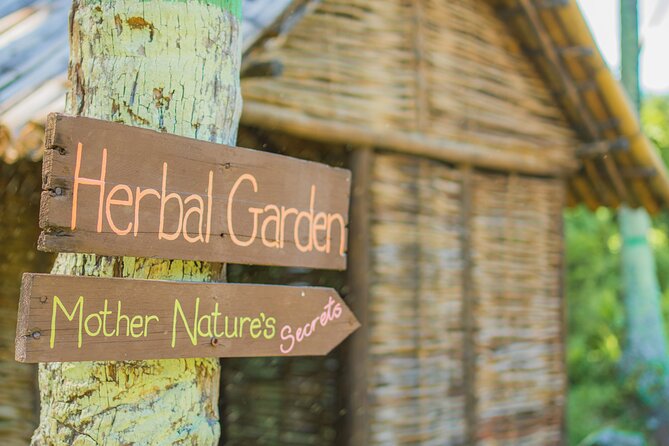
The walk continues through gardens filled with tropical plants, trees and herbs native to St Lucia. This section gives the visit a pleasant change of pace after the huts. You are not only looking at ornamental greenery. The guide points out plants used in local remedies for illness and injury.
I especially like this part for visitors who want to understand how people used the land before modern shops and clinics supplied everything. A leaf, bark or herb could serve a practical purpose, not just decorate a garden.
The information will vary with the guide, but the tour can include basil and other fragrant plants, as well as fruit and spices. Some people have been offered tastes of mango, tamarind and other local treats along the way. The exact samples are not guaranteed, so think of them as a pleasant possibility rather than part of a fixed tasting menu.
Wear shoes you can walk in. The route is described as manageable for many people, but the activity is not recommended for anyone who has difficulty walking. It is also not recommended for people with visual impairment, since much of the value comes from seeing demonstrations and following a garden route.
The Monplaisir estate house
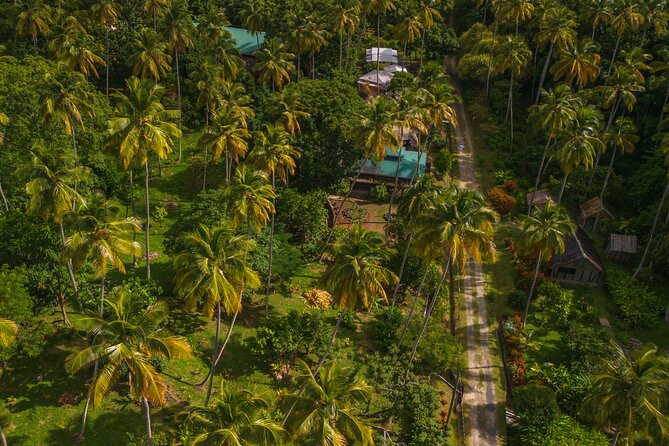
The Monplaisir family house is the architectural centerpiece of the visit. Its scale and form give you a clearer sense of the estate’s social order than the village huts do. You see where the owners lived and can compare that setting with the working areas and smaller homes elsewhere on the property.
The house is one of the best photo stops, but do not expect a long indoor museum visit. The tour is built around movement across the grounds and live demonstrations. The house works as one chapter in the story rather than the entire attraction.
This balance is a strength for a short visit. You get architecture, agriculture, gardens and food production without spending an hour in a single room. If your main interest is formal interiors or detailed family genealogy, the visit may feel light. If you want a broad introduction to estate life, it covers more ground.
Same island, a completely different day out:
- St. Lucia Land and Sea Tour
★ 4.5 · 1,730 reviews - ATV Tour in St Lucia
★ 5.0 · 1,021 reviews - St Lucia Customize Private Island Tour
★ 4.5 · 619 reviews - St Lucia Full-Day Catamaran Sightseeing Cruise With Snorkeling
★ 4.5 · 592 reviews
The coconut demonstration and tasting
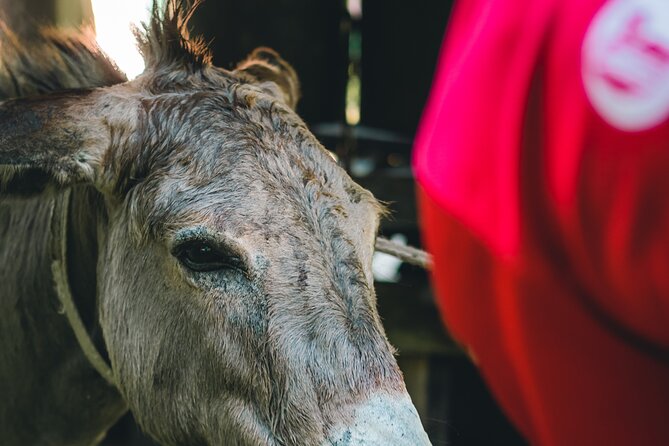
Coconut is the most entertaining part of the tour. A worker demonstrates how to remove the husk by hand, often using a pointed stake fixed in the ground. The process looks risky and demanding, and skilled hands make it appear far easier than it is.
You then learn how coconut meat is dried into copra. The estate also explains the drying process and how you can dry copra in an oven. This turns a familiar supermarket fruit into a lesson in labor and preservation.
The tasting is simple but effective. You may drink coconut water straight from a freshly opened coconut and sample the soft coconut jelly inside. Coconut candy or other sweet coconut treats may also appear, depending on the day.
This is where the $12 price begins to feel especially fair. You are not just walking past a coconut tree. You are seeing the work needed to get from the outer husk to the food inside, then tasting the result immediately.
Cocoa beans, cocoa dance and the road to chocolate
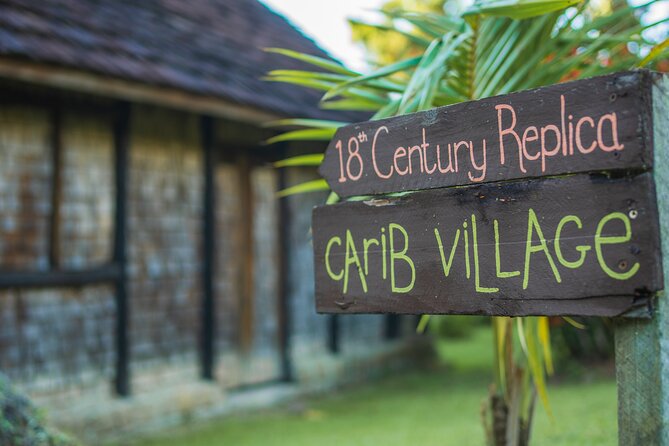
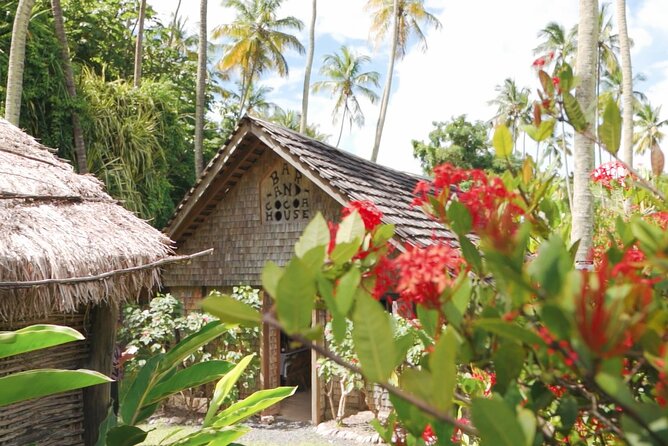
The cocoa and coffee house explains what happens after cacao pods are harvested. You may taste a ripe cocoa bean before it has been transformed into the chocolate flavor you expect. Raw cocoa can taste surprisingly different, which makes this a useful little food lesson.
The guide may show fermentation, drying and the polishing of the beans. The cocoa dance is the most memorable step. Beans are polished by foot in a traditional demonstration, a lively reminder that chocolate production once relied on repeated human effort at every stage.
You may also see cocoa being ground and sample cocoa nibs. These tastings help you separate the flavors of the fresh bean, the dried bean and the processed product. If you arrive expecting a sweet chocolate tasting, adjust those expectations. The focus here is on the crop and the work, not on a polished dessert course.
The cocoa stop has received some of the strongest praise, particularly when the guide takes time to explain each stage. Natasha has been noted for a clear and engaging presentation, while Jonathan has been praised for answering questions about processing. The experience can be much less satisfying if the group is large or the guide rushes through the explanation.
The donkey-powered sugar cane mill
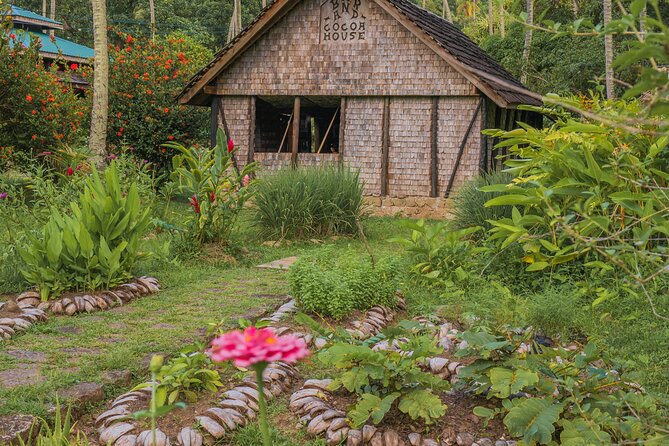
The final working demonstration brings you to a traditional sugar cane mill operated by a donkey. The animal turns the mechanism as the cane is crushed, producing fresh cane juice.
It is a small scene, but it makes an important point about old estate work. Power came from people and animals, and the process was slow, physical and repetitive. The contrast with modern food production is immediate.
You can sip the fresh cane juice as a typical island treat. Some people enjoy the sweetness and novelty, while others may find the taste less familiar. Alcohol is not included in this tour, though alcoholic drinks may be available to purchase separately at the estate.
The donkey demonstration has not pleased everyone. Some people find the process slow, and one complaint focused on concern for the animal. I would treat this as a traditional working display and pay attention to how the estate handles the animal. If animal demonstrations make you uncomfortable, this may be the least appealing part of the route.
Views, photographs and the pace of the walk
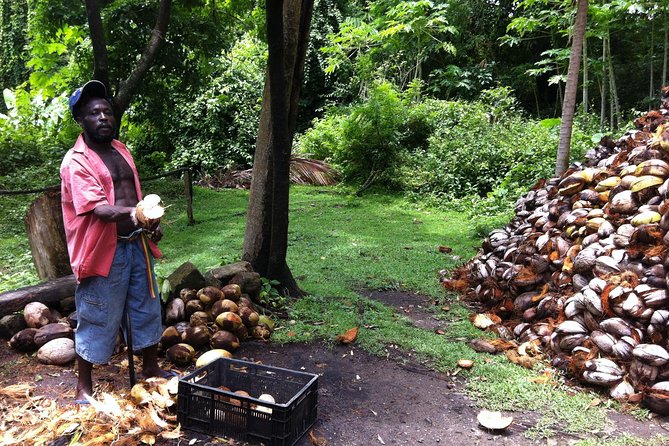
The route includes a viewpoint with dramatic views over the surrounding area. This is a welcome pause after the demonstrations and a good place for photographs. The estate’s gardens, house, huts and tropical plants also provide plenty of visual variety.
The walk is normally presented as a short visit, but the timing needs a little explanation. The tour description calls it a 1-hour guided experience, while another timing lists 30 minutes. Reports from people who spent longer with a guide suggest that the actual visit can stretch to 1.5 or even 2 hours when the pace is relaxed or lunch is added.
For planning, allow at least an hour and keep extra time available. A rushed half-hour may cover the main demonstrations but leave little room for questions or photographs. A longer visit can be more rewarding if you want to talk about plants, sample several items or take your time in the gardens.
The maximum group size is listed as 100 people. That is a large possible group for a small demonstration. If you are at the back, you may have trouble hearing, especially during the coconut or cocoa presentation. Move closer when you can and speak up if the guide is hard to hear.
Lunch, rum and extra costs
Lunch is not included in the $12 tour. The estate may offer food separately, and some visits have included Creole chicken or a buffet-style Caribbean meal. The quality appears less consistent than the tour itself, so I would not book this experience solely for lunch.
Some people have enjoyed the food, especially fish or Creole dishes. Others have found a meal bland or disappointing. If lunch is important to you, ask about the current menu and price before committing.
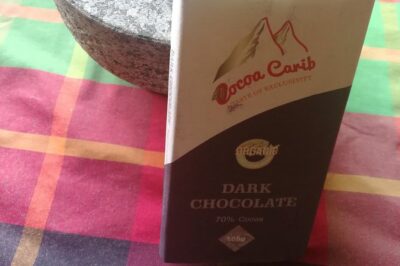
Rum and chocolate tastings are also separate experiences. Alcoholic drinks are not included in this historical tour, though they may be available to buy. The basic visit is best understood as a garden, heritage and crop-processing tour with small tastings, not as a full food or rum excursion.
Is $12 good value in St Lucia?
At $12 per person, this is one of the easier cultural stops to justify. The cost includes admission and a local guide, while the route covers the huts, gardens, house, cocoa, coconut and sugar cane demonstrations. Even a 30-minute version gives you several distinct activities.
The value improves if you are already near Soufriere or visiting as part of a cruise-day island drive. You do not need to commit to a long excursion, and the mobile ticket makes entry straightforward. The activity begins at 9:00 a.m. at the estate, with no hotel pickup or drop-off included.
The price does not guarantee a polished museum experience. You are paying for access to the grounds, live demonstrations and guiding. The quality depends on the guide’s energy, the group size and how much time is available.
I would call it good value for a curious first visit to St Lucia, especially if you enjoy tasting local foods and seeing how things are made. It is less compelling if you want a serious plantation archive, a quiet private tour or a detailed architectural study.
Who should book this estate tour?
I would recommend it to you if you want a short, varied introduction to St Lucian history and food production. Families can enjoy the coconut opening, cocoa samples, cane juice and donkey-powered mill, though children must stay with an adult.
It also suits cruise passengers who need a compact activity near Soufriere. The tour gives you photographs, tastings and a few practical stories without demanding a full day.
People with a strong interest in plants should pay close attention to the medicinal garden. Food lovers will get more from the cocoa and coconut stages than from the house itself. Photographers will find good subjects in the huts, gardens, estate house and viewpoint.
I would hesitate if you have difficulty walking, cannot easily see demonstrations, or dislike staged historical displays. You may also be disappointed if you expect a private, slow-paced tour. Groups can be large, and the experience can feel rushed when the guide has little time for questions.
For the best chance of a good visit, arrive ready to listen, move near the guide and ask about the plants and processing steps. If you have more time, ask whether lunch or a separate rum and chocolate tasting is available, but treat those as add-ons.
Final call: book it for the working details
Book the Morne Coubaril Historical Estate Tour if you want hands-on island culture at a low price. The fresh coconut water, cocoa bean tasting and sugar cane juice are small pleasures, but they make the history easier to remember. The best guides turn the estate into a story about work, food, plants and social life.
Skip it if you want a fully preserved 18th-century site or a guaranteed private experience. The huts are replicas, the schedule can vary, and the guide makes a real difference.
For most people spending time around Soufriere, I would book it as a one-hour stop and leave room in the day for delays, photographs and questions. You can cancel for a full refund up to 24 hours before the 9:00 a.m. start, but changes or cancellations inside that window are not refunded.
FAQ
How long does the Morne Coubaril Estate tour last?
The tour is described as approximately 30 minutes in one timing and about 1 hour in the main tour description. Plan for at least 1 hour, with extra time possible if the visit moves slowly or you add lunch.
What time does the tour start?
The listed start time is 9:00 a.m. at Morne Coubaril Historical Adventure Park.
Where does the tour begin and end?
You meet at Morne Coubaril Estate in St Lucia, and the activity ends back at the meeting point.
Is hotel pickup included?
No. Hotel pickup and drop-off are not included. You must make your own way to the estate.
What is included in the price?
The price includes admission to the estate and a local guide. The listed price is $12 per person.
What will I taste during the tour?
The experience includes coconut water and coconut jelly, along with a cocoa bean tasting and fresh sugar cane juice. Additional samples may include cocoa nibs, coconut candy, fruit or herbs.
Is lunch included?
No. Lunch is not included, though food may be available to purchase separately at the estate.
Can children join the tour?
Yes. Children can participate, but they must be accompanied by an adult.
Can I cancel for a full refund?
Yes. You can cancel at least 24 hours before the local start time for a full refund. Cancellations or changes made less than 24 hours before the start are not refunded.
Just added around St Lucia
- Private Guided Piton Hiking and Mud Bath Experience★ 5.0 · 5 reviews
- St Lucia Transport from Hewanorra Airport Private Transfer★ 5.0 · 5 reviews
- UVF Private Luxury Transport Service in St Lucia (Round Trip)★ 5.0 · 10 reviews
- Fast Track On Arrival at St Lucia Airport & Round Trip Transfer★ 5.0 · 24 reviews
- iRide Caribbean 50cc Scooter Rental★ 5.0 · 18 reviews
- Triple Adventure – Jeep Safari★ 5.0 · 17 reviews
- Hewanorra Airport Private Transfers (UVF)★ 3.5 · 3 reviews
- Hewanorra (UVF) Private Airport Transfer (one way)★ 5.0 · 6 reviews
Food & Drink, compared.
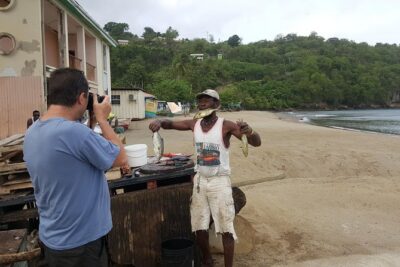
St. Lucia Food and Rum Tour – Taste authentic St. Lucian Food and Culture
Read our review →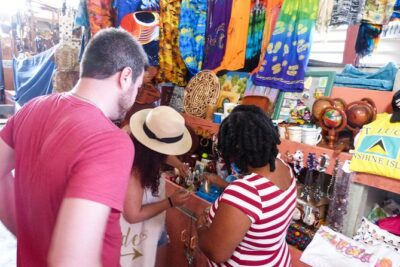

St Lucia Bamboo Rafting Experience (+Rum Tasting)
Read our review →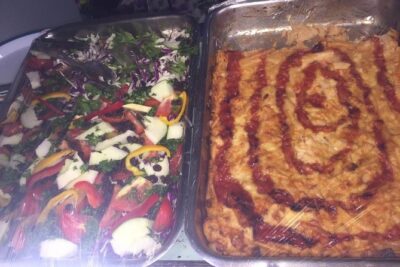

Castries Market Walking Food Tour by LUCIAN FOOD TOURS
Read our review →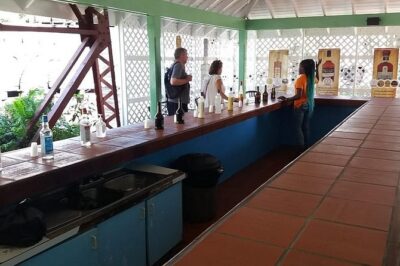
Soufriere Excursion with Rum & Chocolate Tasting
Read our review →Browse the lists this tour appears in